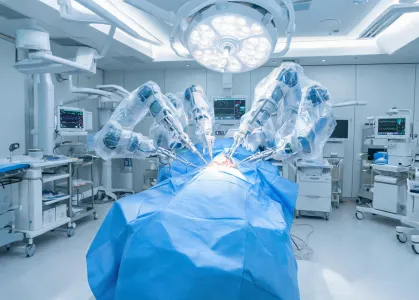
Robotic surgery programs
Procedure service lines can review console training, instrument preparation, room turnover, preference cards, and case-support expectations.
Clinical technology adoption looks different in an academic medical center, an ambulatory surgery center, a diagnostic laboratory, and a remote care program. Intuitive Surgical organizes each application around workflow, evidence, support, and data governance.
Procedure service lines can review console training, instrument preparation, room turnover, preference cards, and case-support expectations.
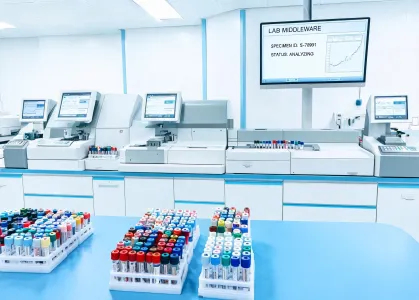
Laboratories can align LIS routing, reagent traceability, quality control, and perioperative result workflows with connected surgical programs.
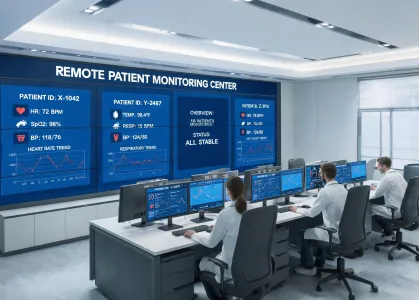
Care teams can evaluate observation streams, escalation notes, adherence signals, and privacy controls for post-discharge monitoring.
Large hospitals often need a robotic program to satisfy many audiences at once. Surgical leadership wants capability, clinical educators want competency, finance wants utilization, supply chain wants predictable consumable assumptions, and biomedical engineering wants service clarity. Intuitive Surgical application planning makes those dependencies explicit. A hospital can map procedure targets, OR room fit, sterilization flow, surgeon onboarding, cybersecurity review, and value-analysis materials before expanding the program across departments.
Ambulatory surgery centers and specialty facilities may operate with leaner staffing and tighter room schedules. Their application pathway emphasizes compact training, fast escalation, realistic case selection, and clear criteria for when the program should scale. Diagnostic and remote care teams can be added where the facility needs better data continuity across preoperative planning, postoperative follow-up, and procedure outcome review.
Across all settings, the strongest applications share one habit: they do not treat technology as isolated equipment. They define clinical ownership, service accountability, data exchange, and regulatory documentation as part of the same operating model. That is why the application process includes clinical evidence review, IT security notes, training milestones, service pathways, and product documentation in one conversation.